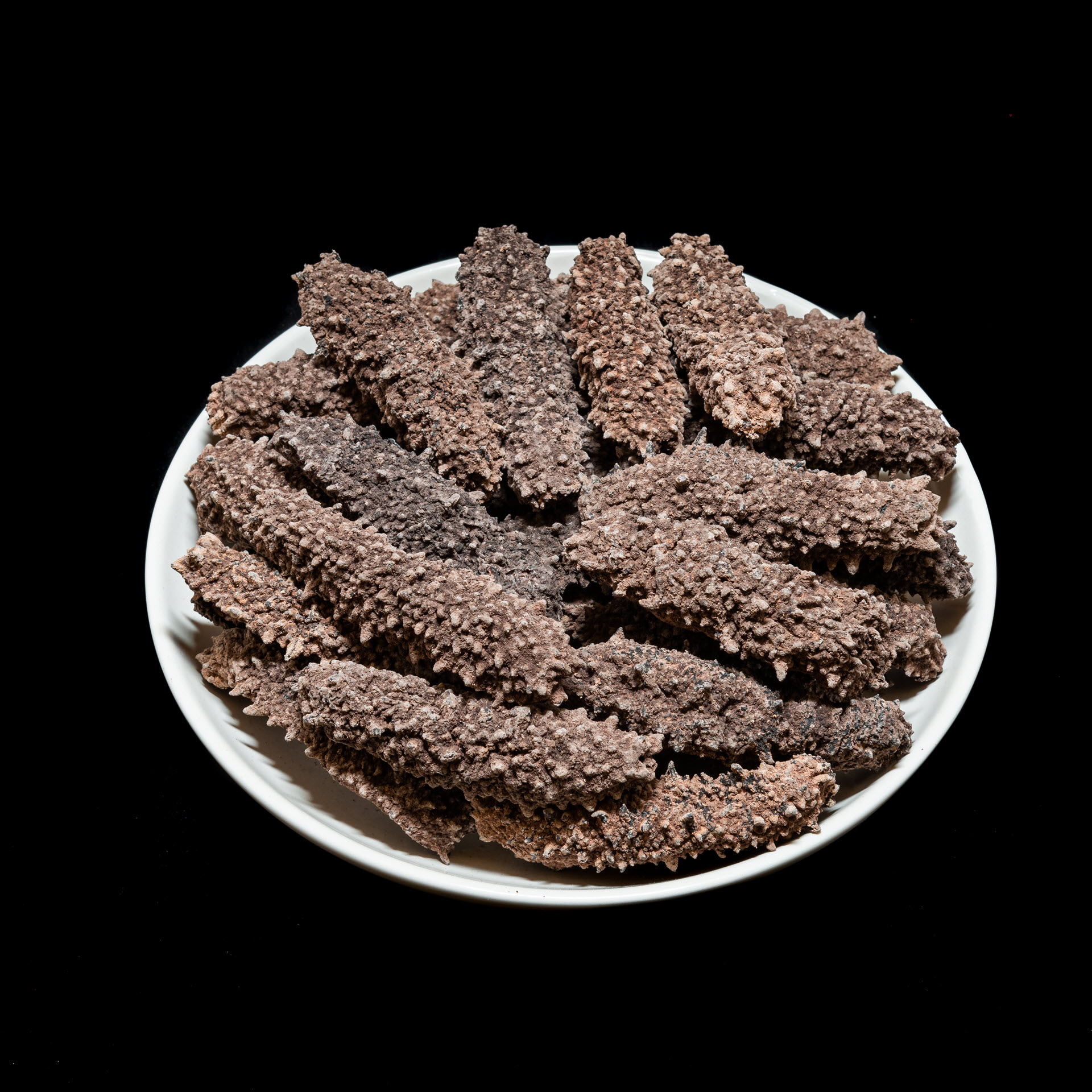
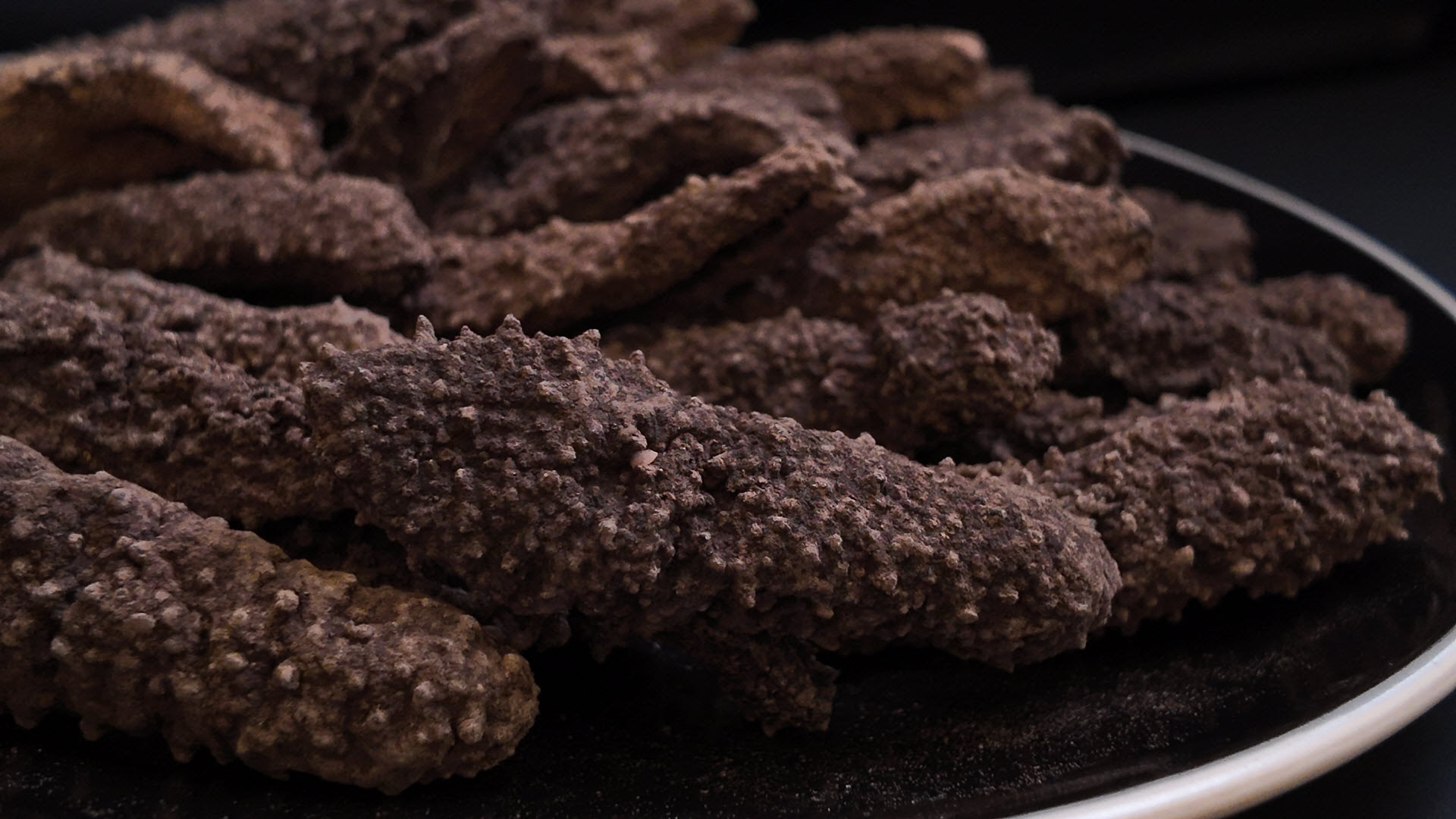
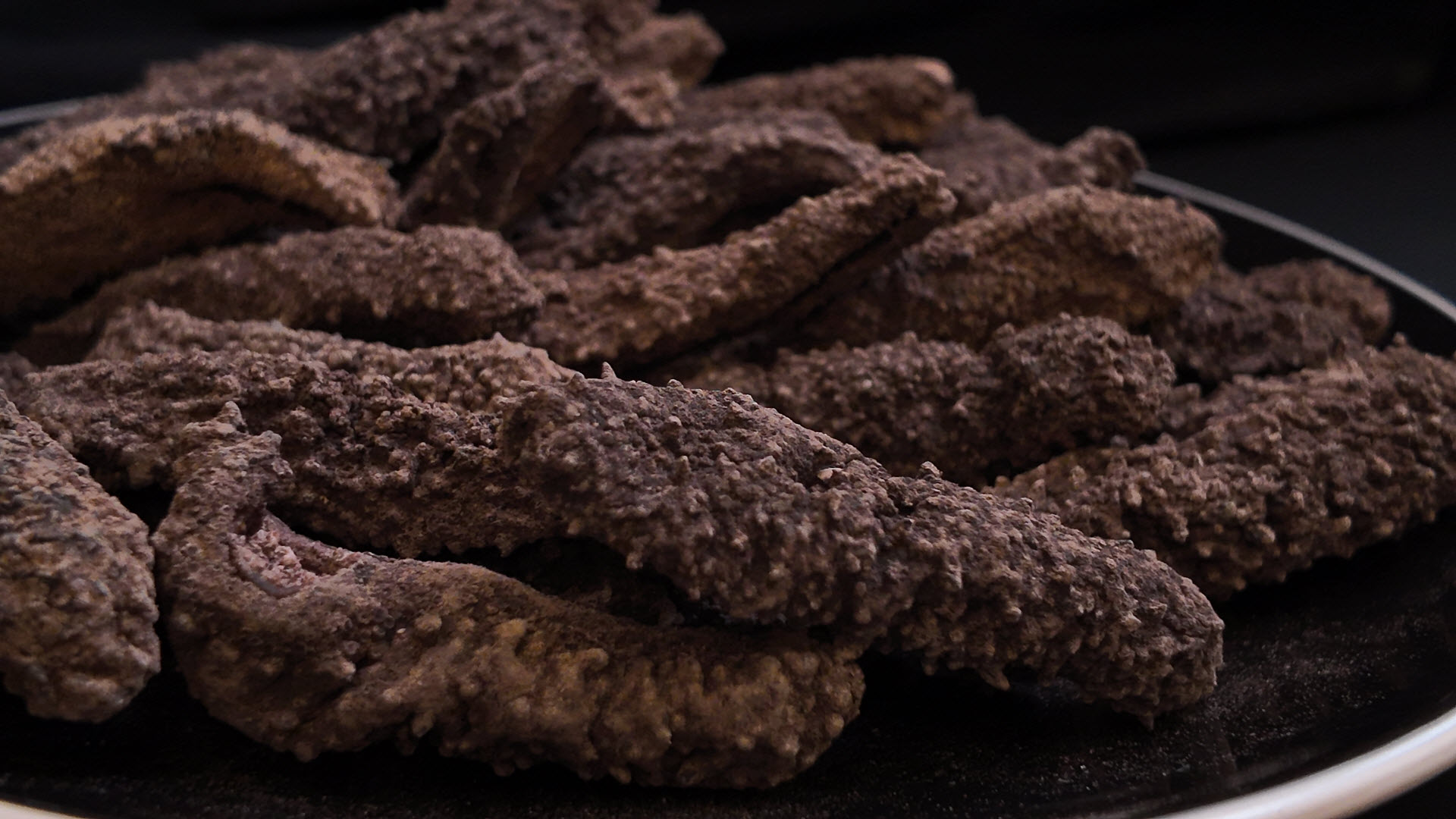
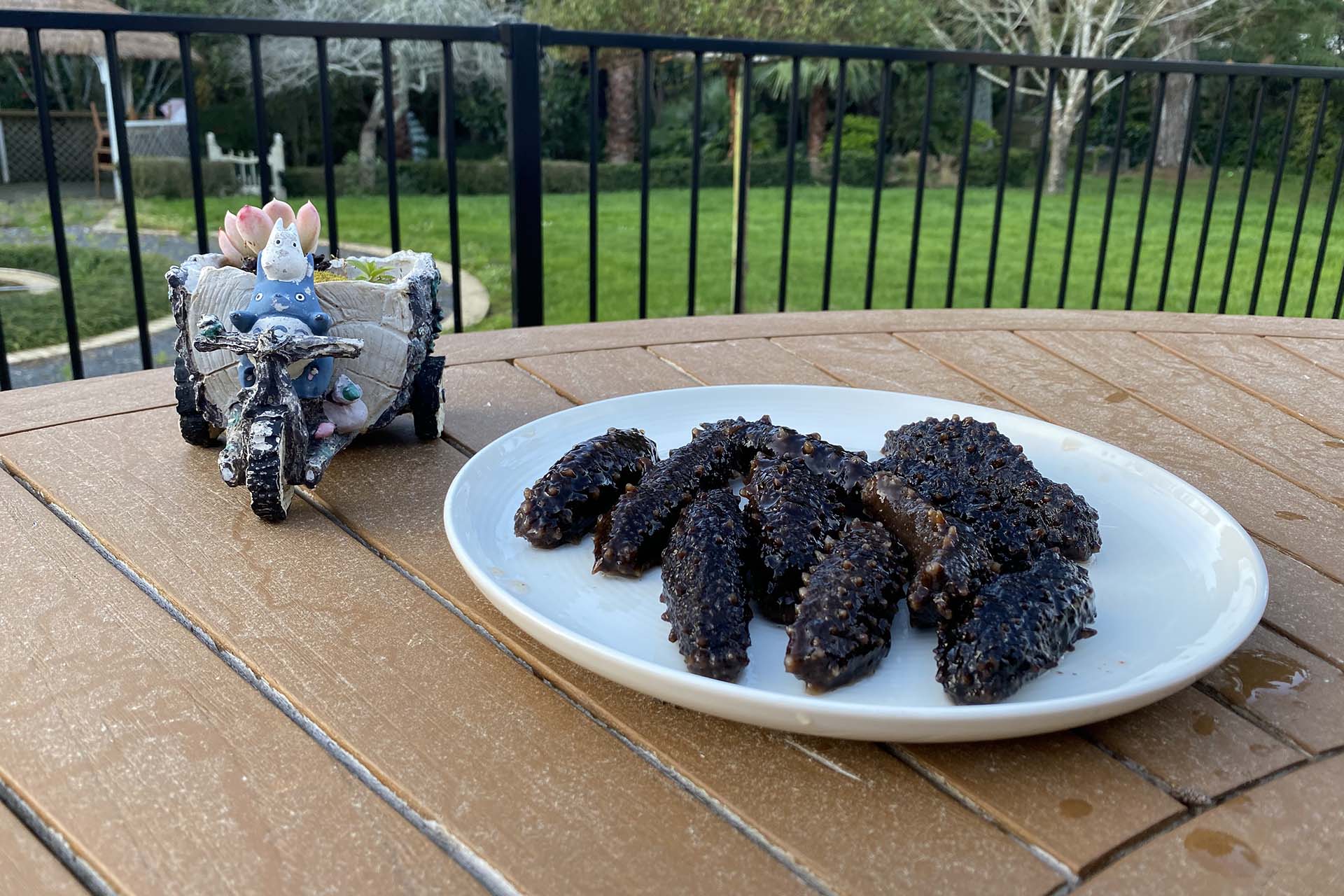
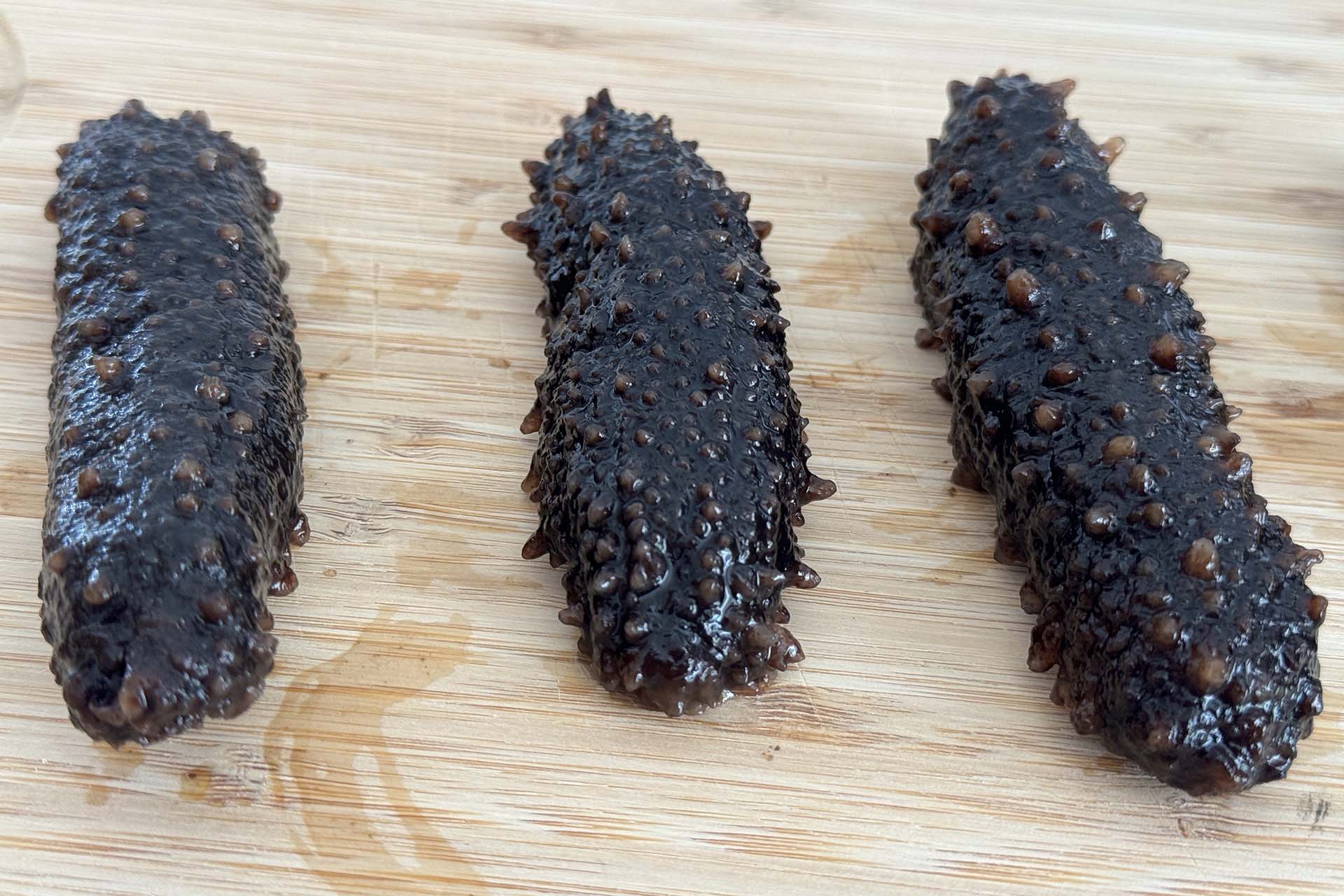
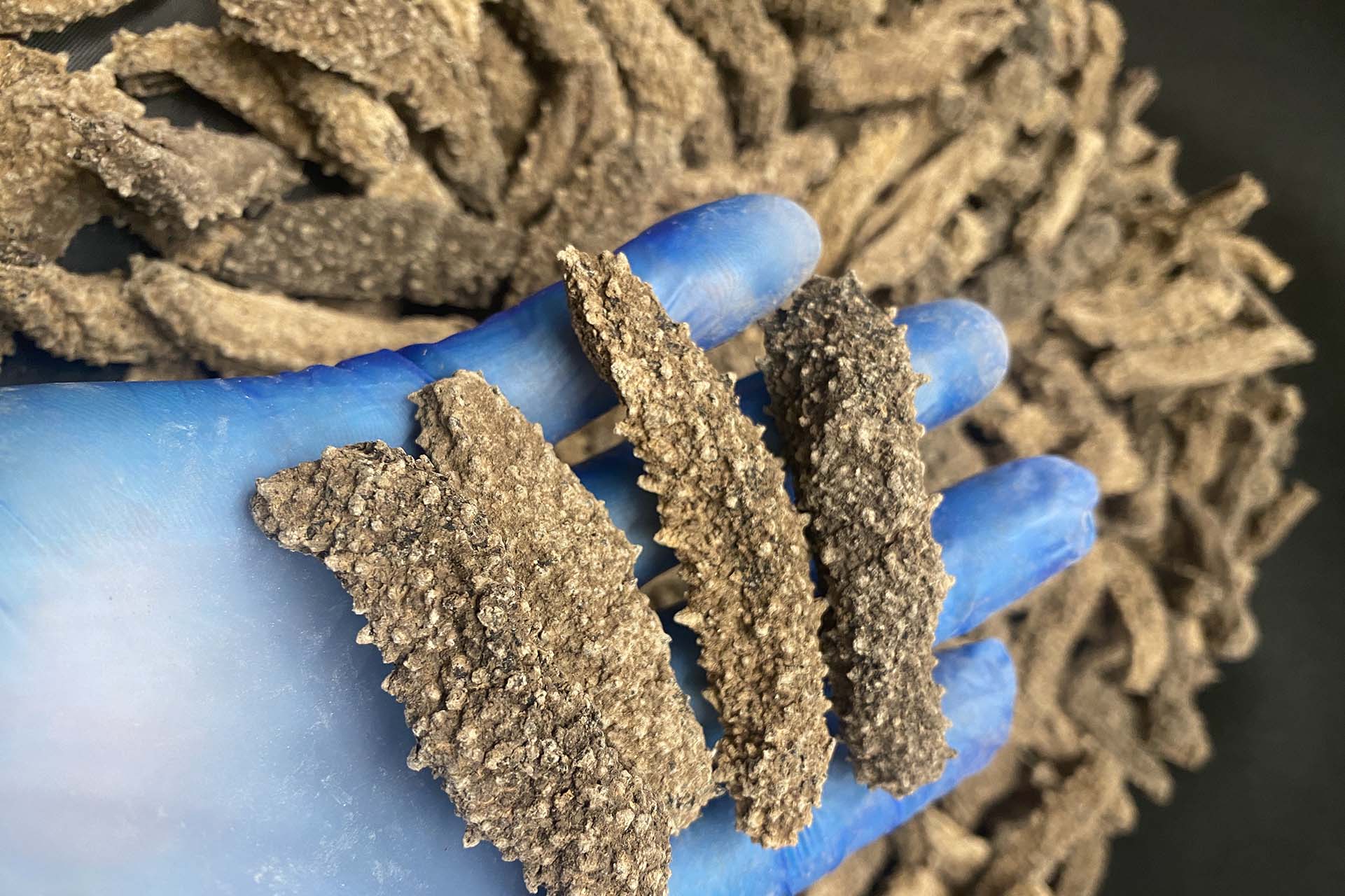
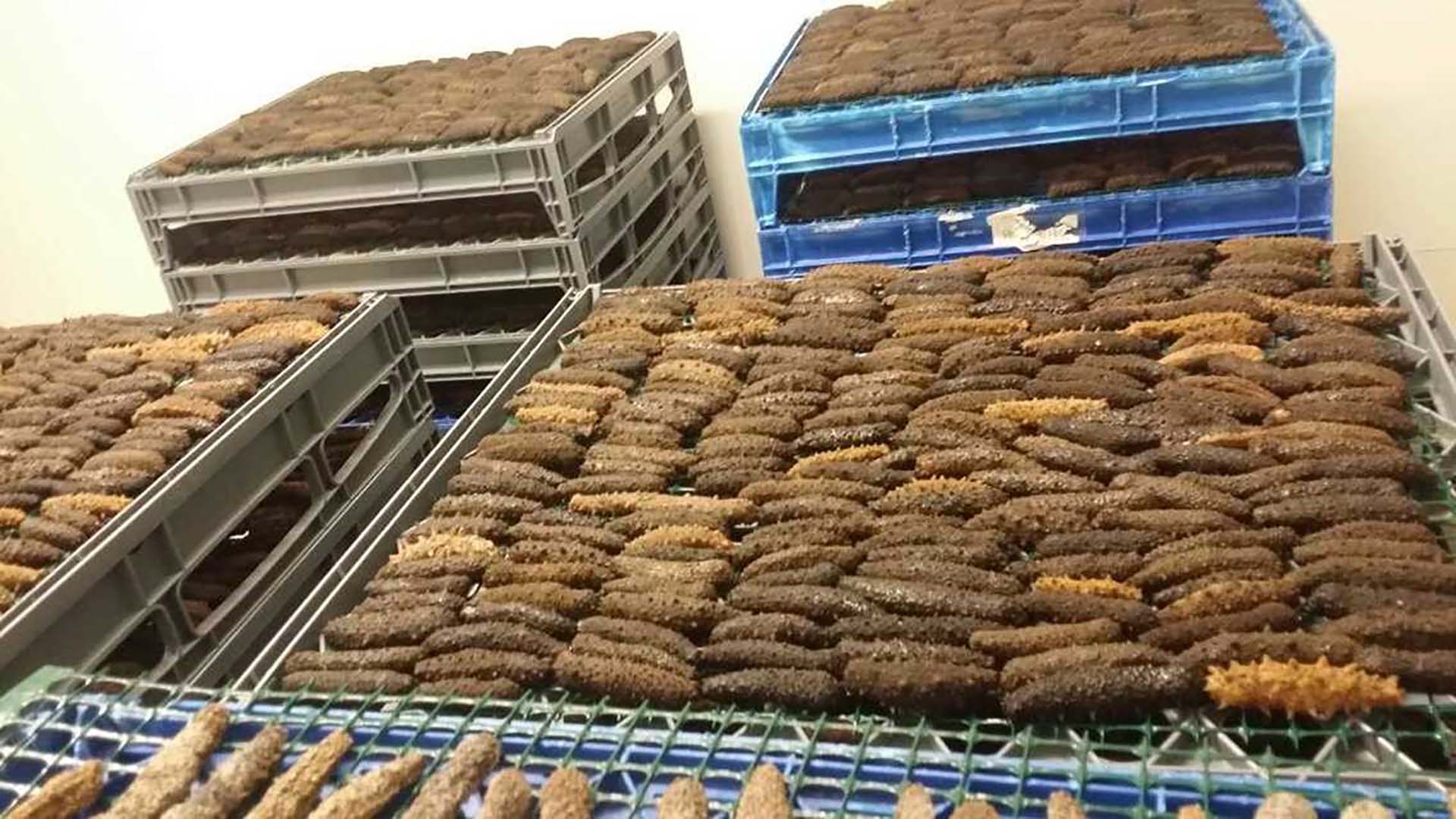
New Zealand Cold-Water Sea Cucumber (Stichopus mollis)
Inhabits shallow coastal waters at depths of 5–40 metres, occupying a wide variety of marine habitats including rocky reefs and sandy seabeds. It is particularly abundant in north-eastern New Zealand, Fiordland, the Marlborough Sounds, and Stewart Island, where it prefers sheltered coastlines with complex and diverse marine ecosystems.
As an important member of the benthic epifaunal community, Stichopus mollis feeds on organic detritus deposited on the seabed, playing a vital role in nutrient recycling and maintaining the ecological balance of New Zealand's marine environment.
More than 100 species of sea cucumber have been recorded in New Zealand waters. However, Stichopus mollis is the only species of commercial value and the only sea cucumber species that has been subject to exploratory commercial fisheries.
Commercial harvesting of Stichopus mollis in New Zealand is conducted exclusively by hand collection through scuba diving, a sustainable harvesting method that minimises disturbance to the marine environment and benthic habitats.
In New Zealand's official fisheries statistics, catches of all sea cucumber species are reported under the single code SCC (Sea Cucumber Catch). Since no other sea cucumber species has significant commercial value, the vast majority of SCC landings consist of Stichopus mollis.
Key Facts
- Over 100 species of sea cucumber are found in New Zealand waters.
- Stichopus mollis is the only commercially valuable sea cucumber species in New Zealand.
- Commercial harvesting is carried out exclusively by hand diving, with no mechanical harvesting methods used.
- Stichopus mollis is occasionally taken as bycatch in bottom trawl and scallop dredge fisheries.
- All sea cucumber landings are officially reported under the SCC (Sea Cucumber Catch) code, with the vast majority representing Stichopus mollis.

